

You will not be allowed to compare more than 4 products at a time
View compareLOPERAMIDE AUR*15CAPS 2MG
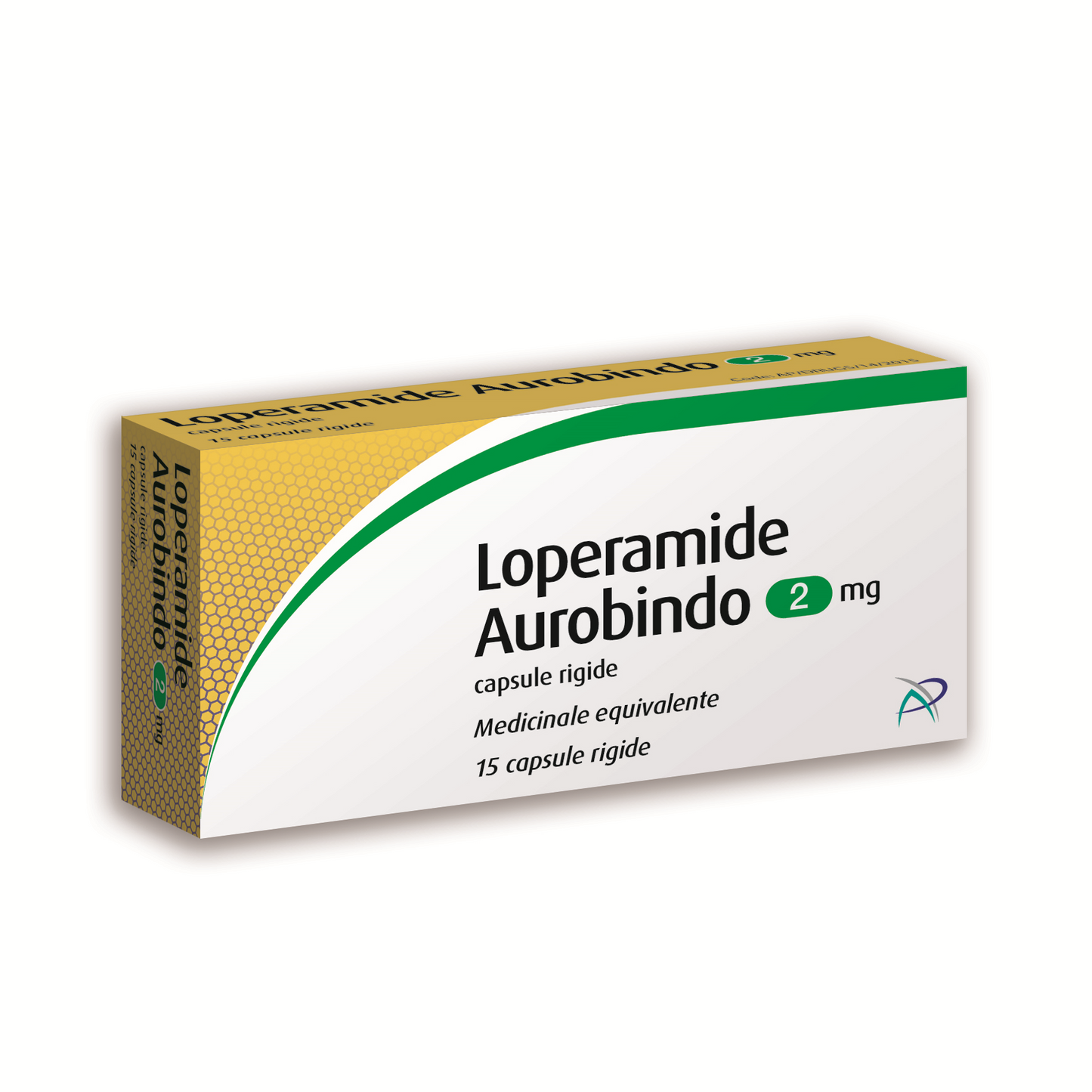
LOPERAMIDE AUR*15CAPS 2MG
Regular price
€2,79 EUR
Sale price
€2,79 EUR
Regular price
€5,80 EUR
Unit price
per
Tax included.
SKU
045592058In stock
Vendor
AUROBINDO PHARMA ITALIA SrlDelivery time: 48/72 hours
Free Shipping: Orders over €70
This product page, including its Product Information Leaflet, has been automatically translated.
Description
Loperamide Aurobindo 2 mg hard capsules
Generic medicine
What it is and what it is used for
This medicine contains loperamide, which helps to stop diarrhoea by making stools more solid and less frequent.
This medicine is used for the treatment of sudden short-term attacks (acute diarrhoea) in adults and children over 12 years of age.
This medicine only relieves the symptoms of diarrhoea, and it is important to drink sufficient quantities of fluids to replace the water lost with loose stools.
What you need to know before taking the medicine
Do not take Loperamide Aurobindo:
- if you are allergic to loperamide or any of the other ingredients of this medicine (listed in section 6).
- if you suffer from colitis (inflammation of the colon) or any other inflammatory bowel disease, such as ulcerative colitis.
- if you suffer from severe diarrhoea after taking antibiotics.
- if you suffer from a swollen stomach or abdomen, and/or constipation.
- if you suffer from acute dysentery, the symptoms of which may include blood in the stools and high fever.
- if it is for a child under 12 years of age.
If any of these apply to you, ask your doctor or pharmacist for advice.
Warnings and precautions
Talk to your doctor or pharmacist before taking Loperamide Aurobindo.
- if you have AIDS and your stomach becomes swollen. Stop taking the capsules immediately and contact your doctor.
- if you suffer from liver problems.
- if you suffer from severe diarrhoea, as your body loses more fluids, sugars and salts than usual.
- if diarrhoea lasts for more than 48 hours, stop taking the capsules and consult your doctor.
- if an intestinal obstruction develops, stop taking the capsules and consult your doctor.
- if you suffer from intolerance to certain sugars, unless your doctor tells you otherwise (this medicine contains lactose).
Do not take this medicine for purposes other than those intended (see section 1) and never take a dose higher than recommended (see section 3). Severe heart problems (with symptoms including a rapid or irregular heartbeat) have been reported in patients who have taken an overdose of loperamide, the active ingredient in Loperamide Aurobindo.
Children
Not recommended for children under 12 years of age.
Possible side effects
Like all medicines, this medicine can cause side effects, although not everybody gets them.
If any of the side effects get worse, or if you notice any side effects not listed in this leaflet, please tell your doctor or pharmacist.
If you experience any of the following side effects, stop taking this medicine and seek immediate medical attention:
Rare: may affect up to 1 in 1,000 people
- Allergic reactions including unexplained wheezing, shortness of breath, swelling of the face and throat.
- Loss of consciousness or reduced level of consciousness (feeling faint or less alert).
- Skin rashes that can be severe and include blistering and peeling of the skin.
Not known (frequency cannot be estimated from the available data)
Upper abdominal pain, abdominal pain radiating to the back, tenderness to the touch of the abdomen, fever, rapid pulse, nausea, vomiting, which may be symptoms of inflammation of the pancreas (acute pancreatitis).
Other side effects:
If you experience any of the following side effects, stop taking this medicine and talk to your doctor:
Common: may affect up to 1 in 10 people
• Headache, dizziness.
• Nausea (feeling sick), constipation, flatulence (wind).
Uncommon: may affect up to 1 in 100 people
- Tiredness, drowsiness.
- Stomach pain, vomiting, indigestion and heartburn, dry mouth.
- Skin rash.
Rare: may affect up to 1 in 1,000 people
- Itching or hives.
- Pupil constriction.
- Difficulty passing urine.
- Swollen stomach, a burning sensation in the mouth, on the lips or tongue.
- Fatigue.
Reporting of side effects
If you get any side effects, including any not listed in this leaflet, talk to your doctor or pharmacist. You can also report side effects directly via the national reporting system at: https://www.aifa.gov.it/content/segnalazionireazioni-avverse.
By reporting side effects you can help provide more information on the safety of this medicine.
