


You will not be allowed to compare more than 4 products at a time
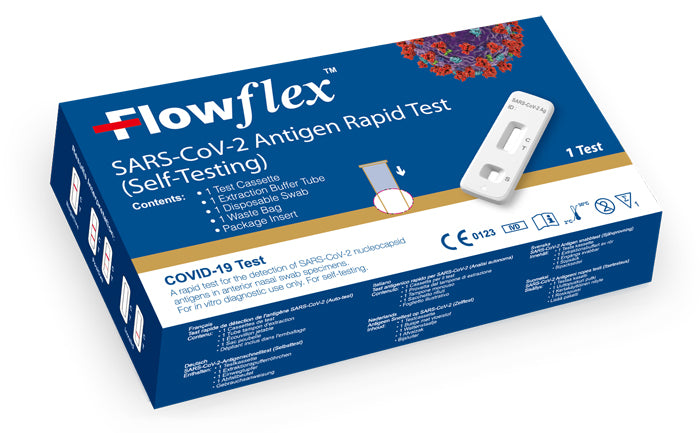
View compareCOVID-19 FLOWFLEX RAPID ANTIGEN TEST SELF-TEST QUALITATIVE DETECTION OF SARS-COV-2 ANTIGENS IN NASAL SWABS BY IMMUNOCHROMATOGRAPHY ALUMINUM FOIL POUCH
COVID-19 FLOWFLEX RAPID ANTIGEN TEST SELF-TEST QUALITATIVE DETECTION OF SARS-COV-2 ANTIGENS IN NASAL SWABS BY IMMUNOCHROMATOGRAPHY ALUMINUM FOIL POUCH
Regular price
€3,90 EUR
Sale price
€3,90 EUR
Regular price
€4,90 EUR
Unit price
per
Tax included.
SKU
982653709Low stock
Vendor
PM2 SERVICES SrlDelivery time: 48/72 hours
Free Shipping: Orders over €70
This product page, including its Product Information Leaflet, has been automatically translated.
Description
Flowflex
SARS-CoV-2 Antigen Rapid Test
(Self-Testing)
Description
A lateral flow test for the qualitative detection of SARS-CoV-2 nucleocapsid antigen in anterior nasal swab samples taken directly from individuals suspected of COVID-19 within the first 7 days of symptom onset.
The test can be used to analyze samples from asymptomatic subjects.
It does not distinguish between SARS-CoV and SARS-CoV-2.
The results relate to the identification of SARS-CoV-2 antigen. This antigen is generally found in samples taken from the upper respiratory tract during the acute phase of infection.
Positive results indicate the presence of viral antigens, but patient history and other personal diagnostic data are necessary to determine the infection status. Positive results do not rule out bacterial infections or simultaneous infection with other viruses. The detected pathogen may not be the exact cause of the illness.
Negative results obtained from subjects with symptoms that appeared more than seven days ago should be treated as probable negatives. If necessary, seek confirmation through molecular analysis.
Negative results do not rule out SARS-CoV-2 infection.
Test results are read visually within 15-30 minutes, based on the presence or absence of colored lines.
A colored line with a procedural control function will always appear in the control line area, indicating that a sufficient sample volume has been inserted and that membrane absorption has occurred.
The test is intended for use as an aid in the diagnosis of SARS-CoV-2 infection.
The usability of self-tests performed by individuals under 18 years of age has not been determined. It is recommended that individuals under 18 years of age be tested by an adult.
Instructions for use
Preparation
Wash or disinfect hands. Ensure they are dry before starting the test. Read the instructions carefully before performing the test.
Check the expiry date printed on the foil pouch. Open the pouch and check the result window and the sample well on the cassette.
Sample collection
Sample collection can be done by oneself or by a caregiver.
Self-collection of the sample can be performed by individuals aged 18 or over.
Children under 18 years of age must be tested by a parent or legal guardian. Follow local guidelines for collecting samples from children.
Procedure
Unscrew the dropper cap from the extraction solution tube without squeezing it. Insert the tube into the hole on the kit box (or place the tube in the tube holder). Open the swab packaging at the stick end.
Caution: do not touch the absorbent tip of the swab with your hands.
Insert the entire absorbent tip of the swab into one nostril. Using a gentle rotation, push the swab less than 2.5 cm from the edge of the nostril. Rotate the swab five times, gently touching the inside of the nostril. Remove the swab and insert it into the other nostril, repeating the step. Remove the swab from the nostril and insert it into the tube, moving it in a circular motion for 30 seconds. Rotate the swab 5 times, while compressing the side of the tube. Remove the swab while compressing the tube.
Securely attach the dropper tip to the extraction buffer tube containing the sample. Mix thoroughly by rotating or flicking the bottom of the tube. Unscrew the small cap from the end of the dropper. Gently squeeze the tube and dispense 4 drops of solution into the sample well.
Read the result when the timer reaches 15-30 minutes. Do not read after 30 minutes.
Interpretation of results
- NEGATIVE: only the control line (C) appears and no test line (T). This means that no SARS-CoV-2 antigen has been detected. A negative test result indicates that you are unlikely to have COVID-19 at this time. Continue to comply with all current rules and protective measures when in contact with other people. It is possible that an infection is present even if the test is negative. If suspected, repeat the test after 1-2 days, as the coronavirus cannot be accurately detected in all phases of the infection.
- POSITIVE: both the control line (C) and the test line (T) appear. This means that SARS-CoV-2 antigen has been detected. A positive test result indicates a very high probability of active COVID-19 infection. Contact your doctor/general practitioner or local health authority immediately. Follow local guidelines for self-isolation. A confirmatory PCR test must be performed.
Note: any line, even a very faint one, present in the test line area (T) should be considered positive.
- INVALID: the control line (C) does not appear. The most likely reasons for an invalid result are insufficient sample volume or incorrect procedure. Re-read the instructions and repeat the test with a new cassette. If test results continue to be invalid, contact your doctor or a COVID-19 testing center.
Warnings
Before performing the test, carefully read the leaflet in the test package. Failure to follow the instructions may lead to inaccurate test results.
Do not use the test after the expiry date indicated on the pouch.
Do not eat, drink, or smoke before and during the test.
Do not use the test if the pouch is damaged.
All used tests, samples, and potentially contaminated material must be disposed of according to local regulations.
Humidity and temperature can negatively affect results.
The test line for a sample with a high viral load may appear within 15 minutes or even earlier, when the sample passes the test line area.
The test line for a sample with a low viral load may appear within 30 minutes.
Do not collect the nasal swab sample if you have a nosebleed.
Wash hands thoroughly after use.
If the extraction swab accidentally comes into contact with skin or eyes, rinse with large amounts of water and consult a doctor if necessary.
The SARS-CoV-2 Antigen Rapid Test is for self-testing only. The test should only be used for the detection of nucleocapsid antigen from SARS-CoV-2 in anterior nasal swab samples. The intensity of the test line is not necessarily correlated with the SARS-CoV-2 viral load in the sample.
A false negative test may be obtained if the antigen concentration in a sample is below the detection limit of the test or if the sample was collected incorrectly.
Test results should be considered in light of other clinical data available to the physician.
Positive results do not rule out the presence of co-infections caused by other pathogens. Positive results do not distinguish between SARS-CoV and SARS-CoV-2.
Negative test results do not rule out the presence of other viral or bacterial infections.
A negative result obtained from a subject with symptoms that appeared more than seven days ago should be treated as a probable negative and, if necessary, verified by molecular analysis.
Storage
Store the kit at a temperature between 2°C and 30°C. Do not freeze.
The test must remain in the sealed pouch until use.
The test is stable until the expiry date printed on the sealed pouch. Do not use after the expiry date.
Shelf life unopened: 24 months.
Format
The kit contains:
- test cassette;
- extraction buffer tube;
- disposable swab;
- waste bag;
- instructions for use.
Bibliography
1. Shuo Su, Gary Wong, Weifeng Shi, et al. Epidemiology, Genetic recombination and pathogenesis of coronaviruses. Trends in Microbiology, June 2016, vol. 24, No. 6: 409-502
2. Susan R.Weiss, Julian L. Leibowitz, Coronavirus Pathogenesis, Advances in Virus Research, Volume 81: 85-164
Code L031-11855
A lateral flow test for the qualitative detection of SARS-CoV-2 nucleocapsid antigen in anterior nasal swab samples taken directly from individuals suspected of COVID-19 within the first 7 days of symptom onset.
The test can be used to analyze samples from asymptomatic subjects.
It does not distinguish between SARS-CoV and SARS-CoV-2.
The results relate to the identification of SARS-CoV-2 antigen. This antigen is generally found in samples taken from the upper respiratory tract during the acute phase of infection.
Positive results indicate the presence of viral antigens, but patient history and other personal diagnostic data are necessary to determine the infection status. Positive results do not rule out bacterial infections or simultaneous infection with other viruses. The detected pathogen may not be the exact cause of the illness.
Negative results obtained from subjects with symptoms that appeared more than seven days ago should be treated as probable negatives. If necessary, seek confirmation through molecular analysis.
Negative results do not rule out SARS-CoV-2 infection.
Test results are read visually within 15-30 minutes, based on the presence or absence of colored lines.
A colored line with a procedural control function will always appear in the control line area, indicating that a sufficient sample volume has been inserted and that membrane absorption has occurred.
The test is intended for use as an aid in the diagnosis of SARS-CoV-2 infection.
The usability of self-tests performed by individuals under 18 years of age has not been determined. It is recommended that individuals under 18 years of age be tested by an adult.
Instructions for use
Preparation
Wash or disinfect hands. Ensure they are dry before starting the test. Read the instructions carefully before performing the test.
Check the expiry date printed on the foil pouch. Open the pouch and check the result window and the sample well on the cassette.
Sample collection
Sample collection can be done by oneself or by a caregiver.
Self-collection of the sample can be performed by individuals aged 18 or over.
Children under 18 years of age must be tested by a parent or legal guardian. Follow local guidelines for collecting samples from children.
Procedure
Unscrew the dropper cap from the extraction solution tube without squeezing it. Insert the tube into the hole on the kit box (or place the tube in the tube holder). Open the swab packaging at the stick end.
Caution: do not touch the absorbent tip of the swab with your hands.
Insert the entire absorbent tip of the swab into one nostril. Using a gentle rotation, push the swab less than 2.5 cm from the edge of the nostril. Rotate the swab five times, gently touching the inside of the nostril. Remove the swab and insert it into the other nostril, repeating the step. Remove the swab from the nostril and insert it into the tube, moving it in a circular motion for 30 seconds. Rotate the swab 5 times, while compressing the side of the tube. Remove the swab while compressing the tube.
Securely attach the dropper tip to the extraction buffer tube containing the sample. Mix thoroughly by rotating or flicking the bottom of the tube. Unscrew the small cap from the end of the dropper. Gently squeeze the tube and dispense 4 drops of solution into the sample well.
Read the result when the timer reaches 15-30 minutes. Do not read after 30 minutes.
Interpretation of results
- NEGATIVE: only the control line (C) appears and no test line (T). This means that no SARS-CoV-2 antigen has been detected. A negative test result indicates that you are unlikely to have COVID-19 at this time. Continue to comply with all current rules and protective measures when in contact with other people. It is possible that an infection is present even if the test is negative. If suspected, repeat the test after 1-2 days, as the coronavirus cannot be accurately detected in all phases of the infection.
- POSITIVE: both the control line (C) and the test line (T) appear. This means that SARS-CoV-2 antigen has been detected. A positive test result indicates a very high probability of active COVID-19 infection. Contact your doctor/general practitioner or local health authority immediately. Follow local guidelines for self-isolation. A confirmatory PCR test must be performed.
Note: any line, even a very faint one, present in the test line area (T) should be considered positive.
- INVALID: the control line (C) does not appear. The most likely reasons for an invalid result are insufficient sample volume or incorrect procedure. Re-read the instructions and repeat the test with a new cassette. If test results continue to be invalid, contact your doctor or a COVID-19 testing center.
Warnings
Before performing the test, carefully read the leaflet in the test package. Failure to follow the instructions may lead to inaccurate test results.
Do not use the test after the expiry date indicated on the pouch.
Do not eat, drink, or smoke before and during the test.
Do not use the test if the pouch is damaged.
All used tests, samples, and potentially contaminated material must be disposed of according to local regulations.
Humidity and temperature can negatively affect results.
The test line for a sample with a high viral load may appear within 15 minutes or even earlier, when the sample passes the test line area.
The test line for a sample with a low viral load may appear within 30 minutes.
Do not collect the nasal swab sample if you have a nosebleed.
Wash hands thoroughly after use.
If the extraction swab accidentally comes into contact with skin or eyes, rinse with large amounts of water and consult a doctor if necessary.
The SARS-CoV-2 Antigen Rapid Test is for self-testing only. The test should only be used for the detection of nucleocapsid antigen from SARS-CoV-2 in anterior nasal swab samples. The intensity of the test line is not necessarily correlated with the SARS-CoV-2 viral load in the sample.
A false negative test may be obtained if the antigen concentration in a sample is below the detection limit of the test or if the sample was collected incorrectly.
Test results should be considered in light of other clinical data available to the physician.
Positive results do not rule out the presence of co-infections caused by other pathogens. Positive results do not distinguish between SARS-CoV and SARS-CoV-2.
Negative test results do not rule out the presence of other viral or bacterial infections.
A negative result obtained from a subject with symptoms that appeared more than seven days ago should be treated as a probable negative and, if necessary, verified by molecular analysis.
Storage
Store the kit at a temperature between 2°C and 30°C. Do not freeze.
The test must remain in the sealed pouch until use.
The test is stable until the expiry date printed on the sealed pouch. Do not use after the expiry date.
Shelf life unopened: 24 months.
Format
The kit contains:
- test cassette;
- extraction buffer tube;
- disposable swab;
- waste bag;
- instructions for use.
Bibliography
1. Shuo Su, Gary Wong, Weifeng Shi, et al. Epidemiology, Genetic recombination and pathogenesis of coronaviruses. Trends in Microbiology, June 2016, vol. 24, No. 6: 409-502
2. Susan R.Weiss, Julian L. Leibowitz, Coronavirus Pathogenesis, Advances in Virus Research, Volume 81: 85-164
Code L031-11855