

You will not be allowed to compare more than 4 products at a time
View compare
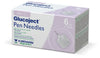
MICROFINE+ INSULIN PEN NEEDLE GAUGE 31 5MM 100 PIECES
MICROFINE+ INSULIN PEN NEEDLE GAUGE 31 5MM 100 PIECES
Regular price
€12,64 EUR
Sale price
€12,64 EUR
Regular price
€28,00 EUR
Unit price
per
Tax included.
SKU
911345181In stock
Vendor
CORMAN SpADelivery time: 48/72 hours
Free Shipping: Orders over €70
This product page, including its Product Information Leaflet, has been automatically translated.
Description
Micro-Fine 5 mm 31 G
Description
Sterile, single-use devices, intended for use with pen injectors for subcutaneous injection of medication by caregivers, laypersons, or healthcare professionals.
Intended for use with compatible pen injectors for subcutaneous drug injection. A list of the most common pen injectors compatible with embecta pen needles is provided on the packaging.
The clinical benefit of pen needles is the ability to administer medication contained in the cartridge of pen injectors into subcutaneous tissue. When the correct injection technique is performed, it is possible to administer the medication while limiting effects on the injection site tissue, promoting patient satisfaction.
Instructions for use
1. Check the expiry date on the needle seal before removing it.
2. Push the needle straight onto the pen and screw it on firmly.
3. Remove the outer needle cap and set it aside.
4. To expose the needle, remove the inner needle cap and discard it.
If both the outer and inner needle caps are not removed before use, the medication will not be injected, which could cause serious injury or death.
5. Check the medication flow by rotating the dial according to the pen's instructions and injecting into the air. If no drops are observed, repeat the operation. If drops appear, rotate the dial to select the prescribed dose, otherwise replace the needle and repeat all steps.
6. Check the pen needle length on the packaging. For needles longer than 5 mm, make a skin fold. Insert the needle into the skin in a straight line.
7. Press and hold the button with your thumb for up to 10 seconds.
Do not reapply the needle cap inside the needle to the device.
8. For safe recapping, place the outer needle cap on a flat surface. Gently push the pen needle into the outer needle cap with one hand.
9. Unscrew the pen needle from the pen.
10. Dispose of the product in compliance with local regulations and the medical facility's biohazard waste protocols.
Warnings
Do not reuse the device. Reuse may be associated with thickening of subcutaneous fat. This can alter insulin absorption, making blood glucose control less predictable. Additional risks related to device reuse may include: pain at the injection site, inflammation, bleeding, bruising, local infection, hyperglycemia (inability of the needle to penetrate the skin), medical intervention (needle breakage inside the skin), and fever caused by pyrogenic needle.
Do not share used pen needles with others.
Keep out of reach of children.
Consult your healthcare professional if advice is needed on recommended needle length or injection technique, if you have difficulty using the device, if you have potentially suffered injury or been exposed to cross-contamination.
The following residual risks are associated with the pen needle: injection site pain, inflammation, bleeding, bruising, thickening, local infection, allergic reaction, hypoglycemia, hyperglycemia, and medical intervention (needle breakage inside the skin). Needle sticks can cause cross-contamination (infection) with bloodborne pathogens. A pyrogenic needle can cause fever.
There is insufficient clinical evidence to demonstrate its safety and efficacy in newborns. Consult your healthcare professional.
Used pen needles must be disposed of in appropriate, clearly marked sharps or puncture-proof containers.
Format
100 pieces.
Code. 320594
Sterile, single-use devices, intended for use with pen injectors for subcutaneous injection of medication by caregivers, laypersons, or healthcare professionals.
Intended for use with compatible pen injectors for subcutaneous drug injection. A list of the most common pen injectors compatible with embecta pen needles is provided on the packaging.
The clinical benefit of pen needles is the ability to administer medication contained in the cartridge of pen injectors into subcutaneous tissue. When the correct injection technique is performed, it is possible to administer the medication while limiting effects on the injection site tissue, promoting patient satisfaction.
Instructions for use
1. Check the expiry date on the needle seal before removing it.
2. Push the needle straight onto the pen and screw it on firmly.
3. Remove the outer needle cap and set it aside.
4. To expose the needle, remove the inner needle cap and discard it.
If both the outer and inner needle caps are not removed before use, the medication will not be injected, which could cause serious injury or death.
5. Check the medication flow by rotating the dial according to the pen's instructions and injecting into the air. If no drops are observed, repeat the operation. If drops appear, rotate the dial to select the prescribed dose, otherwise replace the needle and repeat all steps.
6. Check the pen needle length on the packaging. For needles longer than 5 mm, make a skin fold. Insert the needle into the skin in a straight line.
7. Press and hold the button with your thumb for up to 10 seconds.
Do not reapply the needle cap inside the needle to the device.
8. For safe recapping, place the outer needle cap on a flat surface. Gently push the pen needle into the outer needle cap with one hand.
9. Unscrew the pen needle from the pen.
10. Dispose of the product in compliance with local regulations and the medical facility's biohazard waste protocols.
Warnings
Do not reuse the device. Reuse may be associated with thickening of subcutaneous fat. This can alter insulin absorption, making blood glucose control less predictable. Additional risks related to device reuse may include: pain at the injection site, inflammation, bleeding, bruising, local infection, hyperglycemia (inability of the needle to penetrate the skin), medical intervention (needle breakage inside the skin), and fever caused by pyrogenic needle.
Do not share used pen needles with others.
Keep out of reach of children.
Consult your healthcare professional if advice is needed on recommended needle length or injection technique, if you have difficulty using the device, if you have potentially suffered injury or been exposed to cross-contamination.
The following residual risks are associated with the pen needle: injection site pain, inflammation, bleeding, bruising, thickening, local infection, allergic reaction, hypoglycemia, hyperglycemia, and medical intervention (needle breakage inside the skin). Needle sticks can cause cross-contamination (infection) with bloodborne pathogens. A pyrogenic needle can cause fever.
There is insufficient clinical evidence to demonstrate its safety and efficacy in newborns. Consult your healthcare professional.
Used pen needles must be disposed of in appropriate, clearly marked sharps or puncture-proof containers.
Format
100 pieces.
Code. 320594