
You will not be allowed to compare more than 4 products at a time
View compare
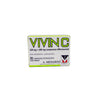
VICKS FLU ACTION*12CPR200+30MG
VICKS FLU ACTION*12CPR200+30MG
Regular price
€6,93 EUR
Sale price
€6,93 EUR
Regular price
€6,36 EUR
Unit price
per
Tax included.
SKU
042499032In stock
Vendor
PROCTER & GAMBLE SRLDelivery time: 48/72 hours
Free Shipping: Orders over €70
This product page, including its Product Information Leaflet, has been automatically translated.
Description
Vicks Flu Action 200 mg/30 mg film-coated tablets
Ibuprofen and pseudoephedrine hydrochloride
What it is and what it is used for
Vicks Flu Action contains the active ingredients ibuprofen, a non-steroidal anti-inflammatory drug (NSAID), and pseudoephedrine, which is a nasal decongestant.
• Ibuprofen reduces pain, swelling and high fever.
• Pseudoephedrine acts on the capillaries in the nose to relieve nasal congestion.
Vicks Flu Action is indicated for the symptomatic relief of nasal congestion with headache, fever and/or pain associated with colds and flu.
Vicks Flu Action is indicated for adults and adolescents over 15 years of age.
Use this combination product only if you have a congested nose with pain or fever. Do not use this product if you only have one of these symptoms.
Consult your doctor if you do not feel better or feel worse after 3 days in adolescents and 5 days in adults.
What you need to know before taking the medicine
DO NOT take Vicks Flu Action if:
- you are allergic to ibuprofen, pseudoephedrine or any of the other ingredients of this medicine (listed in section 6);
- you are under 15 years of age;
- you are pregnant or breastfeeding;
- you have had an allergic reaction (such as wheezing, bronchospasm, asthma, nasal polyps, itching and runny nose, facial swelling, urticaria, or skin rashes) when using aspirin or other painkillers, other fever medicines or other anti-inflammatory medicines;
- you have (or have had recurrent episodes of) a stomach/duodenal ulcer (peptic ulcer) or bleeding (two or more episodes of diagnosed ulceration or gastric bleeding);
- you have previously had gastrointestinal perforation or NSAID-related bleeding;
- you have other types of bleeding;
- you have severe liver or kidney failure;
- you have severe heart failure;
- you have severe heart or circulatory problems (such as coronary artery disease, very high or poorly controlled blood pressure, chest pain called angina, rapid heartbeat), overactive thyroid (hyperthyroidism), diabetes, pheochromocytoma (a tumour of the adrenal gland);
- you have had a heart attack (myocardial infarction);
- you have had a stroke or are at risk of stroke;
- you have had seizures;
- you have any unexplained blood disorder;
- you have glaucoma (high pressure in the eye);
- you have difficulty urinating and/or an enlarged prostate;
- you have Systemic Lupus Erythematosus (SLE) or Mixed Connective Tissue Disease (MCTD), a disease that affects the immune system and causes, for example, joint pain and skin changes;
- you are taking:
- aspirin (more than 75 mg per day) or other non-steroidal anti-inflammatory drugs (NSAIDs) or other painkillers, other nasal decongestants such as phenylpropanolamine, phenylephrine or ephedrine or methylphenidate (see section Other medicines and Vicks Flu Action);
- non-selective monoamine oxidase inhibitors (known as MAOIs and used in the treatment of Parkinson's disease or depression) or have taken them in the last 2 weeks (see section Other medicines and Vicks Flu Action);
- blood thinners that prevent blood clots from forming (oral anticoagulants, heparins, antiplatelet agents);
- corticosteroids;
- lithium (used in the treatment of bipolar disorder or depression);
- selective serotonin reuptake inhibitors (SSRIs) (antidepressants);
- methotrexate, used at doses greater than 20 mg per week (immunosuppressant drug).
Warnings and precautions
Consult your doctor or pharmacist before taking Vicks Flu Action:
- if you suffer or have suffered from asthma or allergic disease; if you are at risk of an asthma attack;
- if your doctor has told you that you have a blood clotting disorder;
- if you have a mild or moderate and well-controlled form of hypertension (high blood pressure), heart failure and heart disease (see also section DO NOT take Vicks Flu Action if);
- if you suffer from psychosis (psychiatric illness);
- if you have a history of gastrointestinal disease (see also section DO NOT take Vicks Flu Action if);
- if you have mild or moderate kidney or liver problems;
- if you are taking migraine medication;
- If you have an infection - see section Infections below.
Anti-inflammatory/painkiller medicines such as Vicks Flu Action may be associated with a slight increase in the risk of heart attack (myocardial infarction) or stroke, especially if used at high dosages. Any risk is more likely with high doses and prolonged treatment. Do not exceed the recommended dose or the recommended duration of treatment.
Vicks Flu Action should be discontinued if you experience increased blood pressure, rapid and irregular heartbeat, nausea or any neurological event such as the onset or worsening of headache.
Signs of an allergic reaction to this medicine, including breathing problems, swelling of the face and neck region (angioedema), chest pain have been reported with ibuprofen. Stop taking Vicks Flu Action immediately and contact your doctor or emergency room immediately if you notice any of these signs.
With Vicks Flu Action, a reduction in blood flow to the optic nerve may occur. If you experience sudden vision loss, stop taking Vicks Flu Action and contact your doctor or a healthcare facility immediately. See section 4.
Sudden abdominal pain or rectal bleeding may occur with Vicks Flu Action due to inflammation of the colon (ischemic colitis). If you develop these gastrointestinal symptoms, stop taking Vicks Flu Action and contact your doctor or seek medical attention immediately. See section 4.
Infections
Vicks Flu Action can mask signs of infection such as fever and pain. It is therefore possible that Vicks Flu Action may delay adequate treatment of the infection, which could increase the risk of complications. This has been observed in pneumonia caused by bacteria and in bacterial skin infections related to chickenpox. If you take this medicine while you have an infection and the symptoms of the infection persist or worsen, contact your doctor immediately.
Talk to your doctor or pharmacist before taking Vicks Flu Action if:
- you have heart problems, including heart failure, angina (chest pain), or if you have had a heart attack, bypass surgery, peripheral artery disease (circulation problems in the legs or feet due to narrowing or blockage of the arteries), or have had any type of stroke (including mini-strokes or transient ischemic attacks TIA) (see also section DO NOT take Vicks Flu Action if);
- you have high blood pressure, diabetes or high cholesterol, a family history of heart disease or stroke, or if you smoke (see also section DO NOT take Vicks Flu Action if).
During treatment, you should avoid drinking alcohol.
Ibuprofen can cause severe allergic reactions, especially in patients allergic to aspirin. Symptoms may include: urticaria, facial swelling, asthma (wheezing), shock.
Severe skin reactions including exfoliative dermatitis, erythema multiforme, Stevens-Johnson syndrome, toxic epidermal necrolysis, drug reaction with eosinophilia and systemic symptoms (DRESS), acute generalized exanthematous pustulosis (AGEP) have been reported in association with Vicks Flu Action treatment. Stop taking Vicks Flu Action and consult your doctor immediately if a skin rash, mucosal lesions, blisters or other signs of allergy appear, as these may be the first signs of a very severe skin reaction. See section 4.
Dehydrated adolescents are at risk of kidney problems.
If symptoms persist or worsen, consult your doctor.
Children and adolescents
Vicks Flu Action cannot be given to children under 15 years of age.
Possible side effects
Like all medicines, this medicine can cause side effects, although not everybody gets them.
STOP taking this medicine immediately and consult your doctor immediately:
- if you experience any of the following signs, which could be signs of a severe allergic reaction:
• difficulty breathing or swallowing
• swelling of the face, lips, tongue or throat
• severe skin itching with rash (urticaria)
• severe skin reaction with blisters under the skin
• rapid heartbeat with low blood pressure
- if you have signs of intestinal bleeding such as
• bright red stools, feeling faint, black tarry stools, stomach pain that does not improve, vomiting with traces of blood or dark particles like coffee grounds
Other side effects may include:
Uncommon (may affect up to 1 in 100 people):
- headache, dizziness, sleep disturbances, agitation, irritability or fatigue
- visual disturbances
- dry mouth, thirst
- gastrointestinal discomfort (stomach or intestine), nausea, vomiting, diarrhoea, loss of appetite, dyspepsia (heartburn)
Rare (may affect up to 1 in 1000 people):
- tinnitus (ringing in the ears)
- nervousness, tremors, anxiety, agitation, restlessness, insomnia
- worsening of asthma, wheezing
- allergic reaction with bronchospasm (shortness of breath)
- abdominal pain (stomach ache), flatulence (gas in the stomach), constipation
- oedema (swelling), hypertension (high blood pressure), palpitations, heart failure, irregular heartbeat, rapid heartbeat, chest pain, heart attack
- kidney tissue damage, high concentration of uric acids in the blood
- skin rashes, urticaria, itching, redness, excessive sweating
Very rare (may affect up to 1 in 10,000 people):
- stomach/duodenal ulcer (peptic ulcer), in some cases with bleeding and perforation (blood in vomit or faeces), gastritis, mouth ulcers, worsening of colitis and Crohn's disease
- liver disorders especially in long-term therapies, liver failure, acute hepatitis
- infectious inflammations, symptoms of aseptic meningitis (headache, fever, stiff neck, nausea, vomiting or disorientation), especially in patients with a pre-existing autoimmune disease (such as lupus erythematosus, mixed connective tissue disease) blood disorders (anaemia, leucopenia, neutropenia, thrombocytopenia, pancytopenia, agranulocytosis). The first signs are: fever, sore throat, superficial mouth ulcers, flu-like symptoms, severe exhaustion, unexplained nosebleeds and bruising
- severe allergic reactions (the signs of which may be facial swelling, angioedema, shortness of breath, bronchospasm, rapid heartbeat, drop in blood pressure, anaphylactic shock)
- psychotic reactions, depression
- kidney failure or other kidney disorders, increased serum creatinine
- oesophagitis (heartburn); pancreatitis, diaphragm-like intestinal stenosis (narrowing)
- non-raised reddish spots, target-shaped or circular on the trunk, often with central blisters, skin peeling, ulcers of the mouth, throat, nose, genitals and eyes. These severe skin rashes may be preceded by fever and flu-like symptoms [exfoliative dermatitis, erythema multiforme, Stevens-Johnson syndrome, toxic epidermal necrolysis]
- hair loss, severe skin infections, soft tissue complications during chickenpox
Not known (frequency cannot be estimated from the available data):
- Reduced blood flow to the optic nerve which may cause vision loss or focusing problems (ischaemic optic neuropathy)
- Dilated pupils (mydriasis)
- Increased blood sugar level
- Drug reaction with eosinophilia and systemic symptoms: a severe skin reaction known as DRESS syndrome may occur. Symptoms of DRESS include: rash, fever, swelling of the lymph nodes and an increase in eosinophils (a type of white blood cell). Stop using this medicine if you develop these symptoms and seek immediate medical consultation
- A widespread, red and scaly rash, with pustules forming under the skin and blisters located mainly on the skin folds, trunk and upper limbs accompanied by fever at the beginning of treatment (acute generalised exanthematous pustulosis AGEP). Stop using Vicks Flu Action if you develop these symptoms and contact your doctor immediately. See also section 2.
- Inflammation of the colon due to insufficient blood supply (ischaemic colitis).
- Stroke.
- Bowel problems that can cause sudden pain or rectal bleeding.
- Seizures.
- Difficulty in passing urine in men with prostatic hypertrophy.
- Hallucinations, abnormal behaviour.
- Skin becomes sensitive to light (photosensitivity reaction).
- Chest pain, which may be a sign of a potentially severe allergic reaction called Kounis syndrome.
Medicines such as Vicks Flu Action may be associated with a small increased risk of heart attack (myocardial infarction) or stroke.
Reporting of side effects
If you get any side effects, including any not listed in this leaflet, tell your doctor or pharmacist. You can also report side effects directly via the national reporting system at: https://www.aifa.gov.it/content/segnalazionireazioni-avverse.
By reporting side effects, you can help provide more information on the safety of this medicine.
