
You will not be allowed to compare more than 4 products at a time
View compare
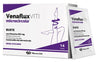
VENOSMIDINE*120FC TAB 500MG
VENOSMIDINE*120FC TAB 500MG
Regular price
€38,79 EUR
Sale price
€38,79 EUR
Regular price
€44,60 EUR
Unit price
per
Tax included.
SKU
049777067Low stock
Vendor
DOC GENERICI SrlDelivery time: 48/72 hours
Free Shipping: Orders over €70
This product page, including its Product Information Leaflet, has been automatically translated.
Description
VENAGE 500 mg film-coated tablets
Micronized flavonoids, such as diosmin and other flavonoids expressed as hesperidin
What it is and what it is used for
VENAGE is a vasoprotector: it increases venous tone and the resistance of small blood vessels.
VENAGE is indicated in adults for the treatment of:
- symptoms related to chronic venous insufficiency of the lower limbs: heaviness, swelling, pain or leg cramps;
- capillary fragility (easy rupture of capillaries which become visible on the skin and can cause spots and bruises);
- functional symptoms related to acute hemorrhoidal crisis, such as pain, bleeding and swelling in the anal region.
Consult your doctor if you do not feel better or if you feel worse after one week of treatment.
What you need to know before taking the medicine
If you are allergic to the active ingredients or any of the other ingredients of this medicine (listed in paragraph 6).
Warnings and precautions
Consult your doctor or pharmacist before taking VENAGE.
Chronic venous disease
If your condition worsens during treatment, manifesting as inflammation of the skin or veins, hardening of the subcutaneous tissue, severe pain, skin ulcers or atypical symptoms such as sudden swelling of one or both legs, talk to your doctor immediately.
VENAGE does not help to reduce swelling of the lower limbs if this is caused by heart, kidney or liver disease.
In case of venous insufficiency, treatment should be combined with a healthy lifestyle to obtain the best results. Avoid sun exposure, heat, standing for long periods or being overweight.
Walking and wearing special (compressive) stockings improves circulation.
Acute hemorrhoidal disease
If you have an acute hemorrhoid attack, you can take VENAGE only for a limited period of 7 days. If the symptoms of acute hemorrhoidal crisis do not disappear within 7 days, talk to your doctor.
If the condition worsens during treatment, i.e., if you notice increased rectal bleeding, blood in the stool, or have doubts about hemorrhoidal bleeding, consult your doctor immediately.
Treatment with VENAGE does not replace specific treatment for other anal disorders.
If you have questions, ask your doctor or pharmacist.
Children and adolescents
The use of VENAGE is not recommended in children and adolescents.
Possible side effects
Like all medicines, this medicine can cause side effects, although not everybody gets them.
The side effects, which may occur with the frequency described below, include:
Common (may affect up to 1 in 10 people)
Nausea, vomiting, diarrhoea, difficult digestion (dyspepsia).
Uncommon (may affect up to 1 in 100 people)
Inflammation of the colon (colitis).
Rare (may affect up to 1 in 1,000 people)
Headache, dizziness, malaise, rash, itching, hives.
Not known (frequency cannot be estimated from the available data)
Abdominal pain, abnormal decrease in platelets (thrombocytopenia), swelling of the face, lips or eyelids (oedema) in association with allergic symptoms. Exceptionally, rapidly developing oedema of the face, lips, mouth, tongue or pharynx may occur, which may be accompanied by breathing difficulties (Quincke's oedema).
Reporting of side effects
If you get any side effects, including any not listed in this leaflet, talk to your doctor or pharmacist. You can also report side effects directly via the national reporting system at: https://www.aifa.gov.it/content/segnalazionireazioni-avverse.
By reporting side effects you can help provide more information on the safety of this medicine.
