


You will not be allowed to compare more than 4 products at a time
View compareALAXA*20GASTR TABS 5MG
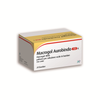
ALAXA*20GASTR TABS 5MG
Regular price
€7,18 EUR
Sale price
€7,18 EUR
Regular price
€7,90 EUR
Unit price
per
Tax included.
SKU
009262015In stock
Vendor
ANGELINI (A.C.R.A.F.) SpADelivery time: 48/72 hours
Free Shipping: Orders over €70
This product page, including its Product Information Leaflet, has been automatically translated.

Description
ALAXA 5 mg gastro-resistant tablets
Bisacodyl
What it is and what it is used for
Alaxa is a laxative, whose active ingredient is bisacodyl, which serves to facilitate bowel movements. The laxative effect is obtained thanks to bisacodyl's ability to soften stool and increase the speed of intestinal transit.
This medicine is indicated for the short-term treatment of occasional constipation.
Contact your doctor if you do not feel better or if you feel worse after a short period of treatment.
What you need to know before taking the medicine
Do not take ALAXA if:
• you are allergic to the active ingredient or to similar substances (for example, sodium picosulphate) or to any of the other ingredients of this medicine (listed in paragraph 6);
• you have sudden abdominal pain or any abdominal pain of unknown cause (for example, appendicitis);
• you have nausea or vomiting;
• you have stomach or intestinal inflammation (gastroenteritis);
• you have an intestinal obstruction or narrowing (stenosis);
• you have rectal bleeding of unknown cause;
• you are severely dehydrated, which manifests as a dry and sticky mouth, thirst, scanty urine, absence or scarcity of tears, and dry skin;
• you are pregnant or breastfeeding (see “Pregnancy and breastfeeding”).
Do not use ALAXA in children under 3 years of age.
Warnings and precautions
Talk to your doctor before using ALAXA:
• for use of the medicine in children aged 3 to 12 years;
• if your constipation is chronic or if you have repeated episodes of constipation;
• if the need for a laxative results from a sudden change in previous bowel habits (frequency and characteristics of bowel movements) that has lasted for more than two weeks;
• if you have rectal bleeding;
• if you have heart disease or suffer from high blood pressure (hypertension);
• if you have diabetes;
• if you are elderly or not in good health.
If the use of the laxative does not produce effects after a short period of treatment, consult your doctor.
You should know that the abuse of laxatives (i.e., frequent or prolonged use or with excessive doses) can cause persistent diarrhoea with consequent loss of water, mineral salts (especially potassium) and other important nutrients. In the most severe cases, a decrease in potassium can cause heart or muscle disorders, especially if you are undergoing concomitant treatment with certain heart medications (cardiac glycosides), with medications that increase urine production (diuretics) or with those used to treat inflammation (corticosteroids).
Avoid frequent or prolonged use of the medicine as it can cause addiction and dependence (i.e., the need to progressively increase the dosage and not be able to do without the medicine) and intestinal inflammation (atonic colitis), as well as chronic constipation and loss of normal intestinal functions (intestinal atony).
Possible side effects
Like all medicines, this medicine can cause side effects, although not everybody gets them.
Usually, the side effects due to ALAXA affect the stomach and intestines (gastrointestinal). In particular, the medicine can cause abdominal pain (like cramps, isolated or spread throughout the abdomen).
Reporting of side effects
If you get any side effects, including any not listed in this leaflet, tell your doctor or pharmacist. You can also report side effects directly via the national reporting system at: https://www.aifa.gov.it/content/segnalazionireazioni-avverse.
By reporting side effects, you can help provide more information on the safety of this medicine.