

You will not be allowed to compare more than 4 products at a time
View compareACC*30BUST 200MG
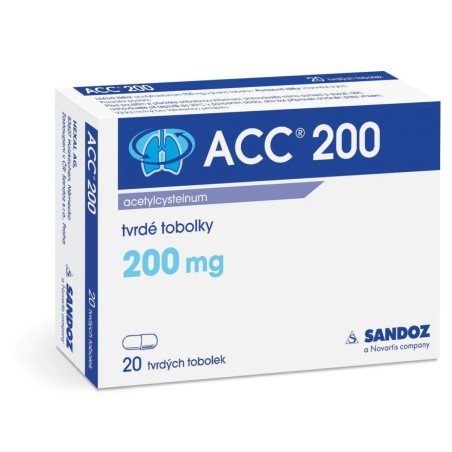
ACC*30BUST 200MG
Regular price
€4,03 EUR
Sale price
€4,03 EUR
Regular price
€9,80 EUR
Unit price
per
Tax included.
SKU
039455023Low stock
Vendor
SANDOZ SpADelivery time: 48/72 hours
Free Shipping: Orders over €70
This product page, including its Product Information Leaflet, has been automatically translated.
Description
ACC 100 mg powder for oral solution
ACC 200 mg powder for oral solution
Acetylcysteine
Equivalent Medicine
What it is and what it is used for
This medicine contains the active ingredient acetylcysteine, which belongs to a group of medicines called expectorants - mucolytics, used to facilitate the elimination of mucus from the respiratory tract.
ACC is indicated for the treatment of respiratory diseases characterized by an increase in the production of thick and viscous mucus (dense and viscous hypersecretion).
Consult your doctor or pharmacist if you do not feel better or if you feel worse after a few days of treatment.
What you need to know before taking the medicine
Do not take ACC
- if you are allergic to acetylcysteine, or to any of the other ingredients of this medicine (listed in paragraph 6);
- if you have a lesion in the stomach or intestine (active peptic ulcer);
- if the person who needs to take this medicine is a child under 2 years of age (See paragraph Children);
- if you are pregnant or breastfeeding.
Warnings and precautions
Consult your doctor or pharmacist before taking ACC.
Take this medicine with caution and always under medical supervision in the following cases:
- if you suffer from an inflammatory disease of the bronchi called bronchial asthma. Stop taking the medicine if bronchial muscle contractions (bronchospasm) occur. Also consult your doctor if these disorders have occurred in the past;
- if you are intolerant to histamine, in case of ACC therapy, allergic reactions (hypersensitivity) may occur;
- if you habitually suffer from a stomach or intestinal problem called peptic ulcer, especially if you are taking Borncohexal together with other medicines that cause stomach problems (gastro-damaging drugs).
This medicine can increase the volume of bronchial mucus (bronchial secretions), especially at the beginning of treatment. Therefore, if this occurs and you are unable to eliminate bronchial secretions (expectorate) by coughing, consult your doctor who will suggest a method for eliminating mucus (postural drainage or bronchoaspiration).
Very rarely, ACC can cause severe skin reactions (Stevens-Johnson syndrome and Lyell's syndrome). If you notice the appearance of skin and mucous membrane changes, stop treatment with this medicine and inform your doctor immediately.
If you smell sulfur, do not worry because this does not indicate an alteration of the preparation, but is due to acetylcysteine.
Laboratory tests: N-acetylcysteine may interfere with some blood and urine tests (colorimetric assay for the determination of salicylates and tests to determine ketones). Inform your doctor that you are taking this medicine before undergoing tests.
Children
ACC should not be given to children under 2 years of age because it can obstruct the bronchi and impede normal breathing.
Possible side effects
Like all medicines, this medicine can cause side effects, although not everybody gets them.
The following side effects may occur:
Uncommon (may affect up to 1 in 100 people)
- allergic reactions (hypersensitivity);
- headache (cephalgia);
- ringing in the ear (tinnitus);
- increased heart rate (tachycardia);
- decreased blood pressure (hypotension);
- inflammation of the mouth (stomatitis), abdominal pain, nausea, vomiting, diarrhea;
- skin irritations (urticaria, rash), swelling of the extremities of the face, lips, throat, mouth or tongue (angioedema), itching;
- fever.
Rare (may affect up to 1 in 1000 people)
- difficulty breathing (dyspnea);
- bronchial muscle contractions (bronchospasm);
- digestive difficulties (dyspepsia).
Very rare (may affect up to 1 in 10000 people)
- severe allergic reactions (anaphylactic shock, anaphylactic/anaphylactoid reaction);
- bleeding from blood vessels (hemorrhage).
Not known (frequency cannot be estimated from the available data)
- bronchial obstruction (bronchial obstruction);
- swelling of the face (facial edema).
Consult your doctor if you experience any of the following side effects:
- skin lesions (Stevens-Johnson syndrome or Lyell's syndrome). If you experience changes in the mucous membranes or skin, stop taking the medicine;
- blood problems (reduced platelet aggregation).
Reporting of side effects
If you get any side effects, including any not listed in this leaflet, talk to your doctor or pharmacist. You can also report side effects directly via the national reporting system at: https://www.aifa.gov.it/content/segnalazionireazioni-avverse.
By reporting side effects you can help provide more information on the safety of this medicine.
